Positioning
New Coke, then Coca-Cola Classic
The formula change is reversed after 79 days. The brand learns who owns it.
A pharmacy tonic that became the world’s best known script, run by bottlers it does not own.
Coca-Cola was first sold at a pharmacy counter in 1886. Its bookkeeper wrote the name in the script still used today, and a 1915 bottle made the brand recognisable by touch. The company sells concentrate and the brand, while independent bottlers make and deliver most of the drinks. Advertising built the rest: Santa in 1931, the Hilltop song in 1971, polar bears in 1993, names on bottles in 2011. Its biggest lesson came in 1985, when New Coke was pulled after 79 days.
A 30-year insider takes over. Watching for brand effect.
A new global platform for the master brand.
Coke, Diet Coke, Zero and Life brought under one red identity.
Names on bottles turn the label into a social object.
The formula change is reversed after 79 days. The brand learns who owns it.
Coca-Cola fixes the image of a red-suited Santa in popular culture.
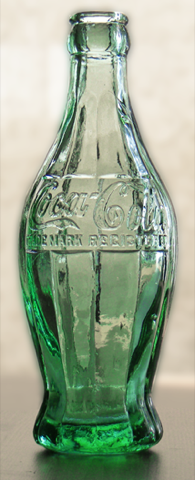 1915
A bottle you could know in the dark, later registered as a trademark itself.
The franchise system that still runs Coca-Cola today.
A 30-year insider takes over. Watching for brand effect.
A new global platform for the master brand.
Coke, Diet Coke, Zero and Life brought under one red identity.
Names on bottles turn the label into a social object.
A character campaign built for global TV.
The formula change is reversed after 79 days. The brand learns who owns it.
The first extension to carry the Coke name.
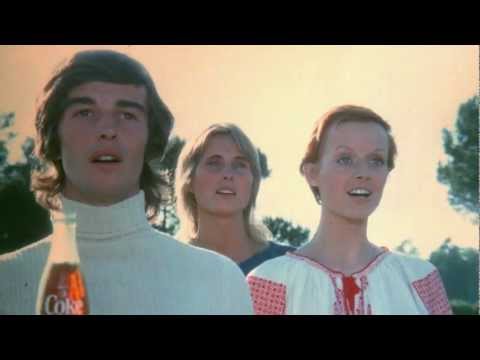
The Hilltop ad makes the brand a symbol of togetherness.
A partner that puts Coke next to every burger for decades.
Coca-Cola fixes the image of a red-suited Santa in popular culture.
A bottle you could know in the dark, later registered as a trademark itself.
The franchise system that still runs Coca-Cola today.
A tonic with a rhyming name and a handwritten script.
A company veteran takes over.
Many brands, one Coca-Cola.
Global growth, Share a Coke.
New Coke, Diet Coke, bottler reform.
Everywhere, within arm’s reach.
Script, bottle, bottlers.
The brand is run day to day by bottlers, franchisees or licensees.


 3 other brandsThe reversal
A big change is undone after customers push back.
 Also NikeA character carries it
A mascot or recurring figure becomes the brand's face.
Also McDonald’sSelling a beliefA campaign sells what the brand stands for, not what it makes.
 2 other brandsSport as the stage
Long sponsorships make the brand part of a sport's identity.
 2 other brands
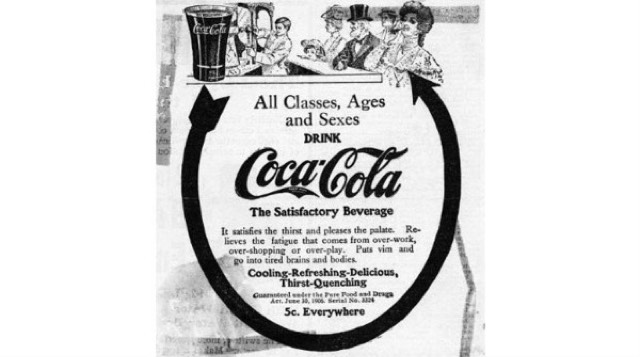
Pemberton’s bookkeeper Frank Robinson suggested the name from two ingredients, coca leaves and kola nuts, and liked how the two Cs would look in advertising. He wrote it out in Spencerian script, the handwriting style of the time.
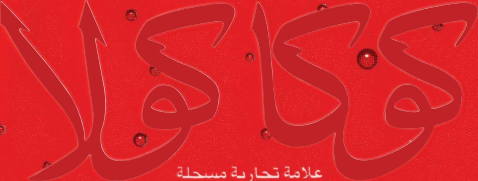
What the Name DidThe script made the name a picture. It has barely changed in more than a century.
 1886Robinson’s script in early ads
 ArabicArabic script versionNowSpencerian script, current
Real Magic.2021
Taste the Feeling.2016
Always Coca-Cola.1993
I’d like to buy the world a Coke.1971
The pause that refreshes.1929
Coca-ColaMaster brand plus a house of brandsMost drinks are made and delivered by separate bottling companies, such as Coca-Cola Europacific Partners, Coca-Cola HBC and Coca-Cola FEMSA.
Named it and wrote the script.
Painted the Coca-Cola Santa.
Wrote the Hilltop song.
Led New Coke, then “Always Coca-Cola”.
Coca-Cola sold about nine drinks a day in its first year.
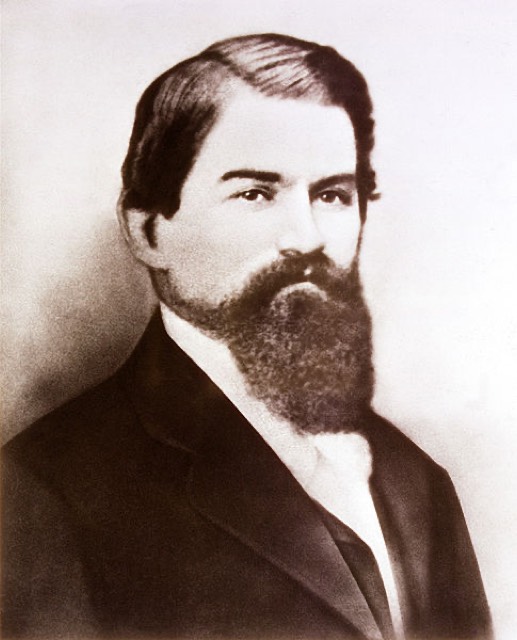
The bottle brief asked for a shape you could recognise in the dark, or broken on the ground.
The script logo was written by the company bookkeeper, not a designer.
The first newspaper ad promised “Delicious! Refreshing! Exhilarating! Invigorating!”
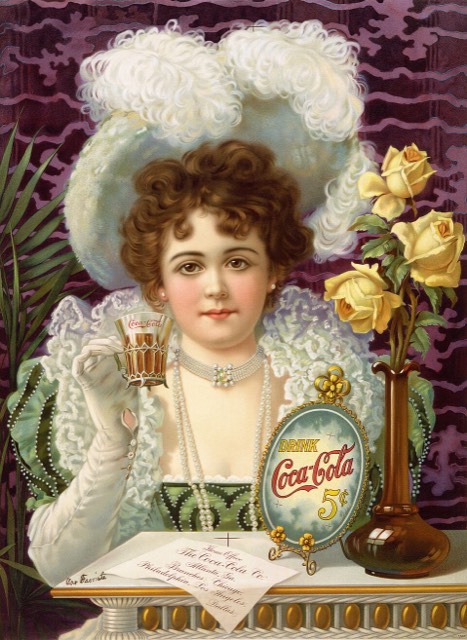
Compiled by the BrandTheChange editors from company records, filings, archives and press. Suggest a correction · Image credits
Contributors
Expert essays, interviews, case observations and field reports from people building, leading or advising brands.
Pitch a storyThe BTC Brief
What moved, the events worth a ticket and the roles worth a look.
No spam. Unsubscribe anytime.