
There is a moment in the history of a luxury brand when it stops trying to prove it is expensive and starts assuming it. That shift, from demonstration to assumption, is nowhere more visible than in packaging. And in 2026, the dominant visual language of that assumption is restraint.
The numbers are specific enough to matter: minimalist packaging increases consumer willingness to pay by 24.6%. This is not a design preference. It is a pricing mechanism. Brands that understand this are building it into their brand architecture. Brands that don’t are leaving margin on the shelf.
What Minimalism Actually Means in 2026
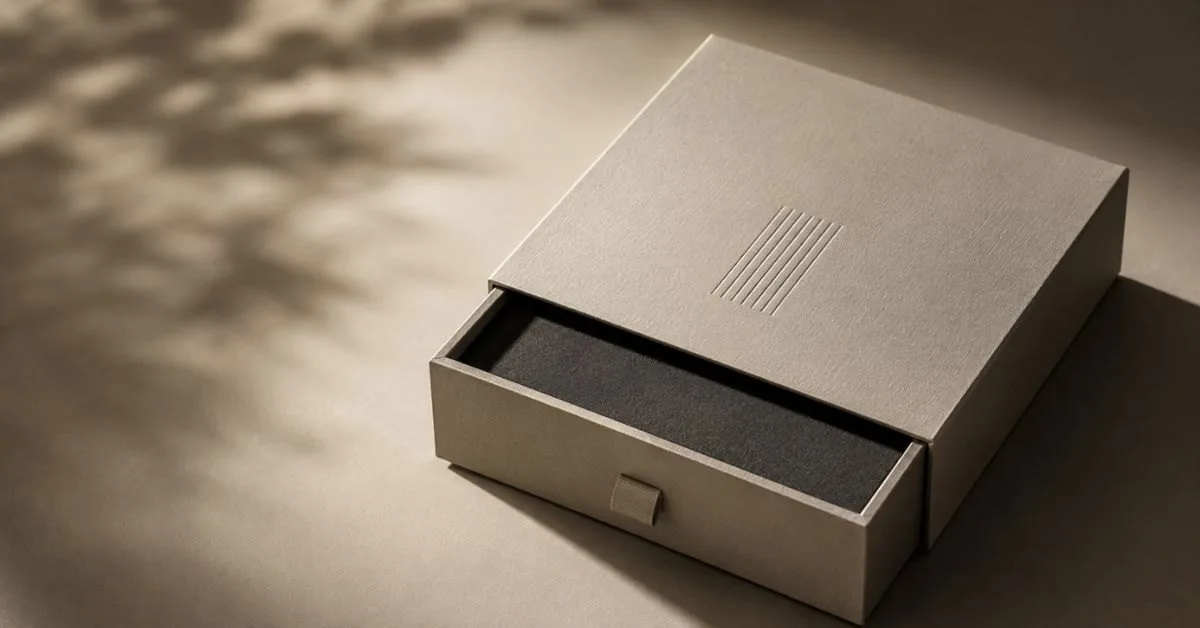
The minimalism of 2026 is not the stark, cold minimalism that defined 2014 to 2018: white boxes, single-weight sans-serif typography, nothing else. That version has been so widely adopted that it has become the default for commodities pretending to be premiums. A minimalist label is now table stakes for a craft gin, a DTC skincare brand, or a premium coffee subscription.
The minimalism that operates as a luxury signal in 2026 is different in character. It is warm, tactile, and deliberately non-digital-native. It involves textured papers that reward handling, embossed finishes that communicate investment in physical experience, magnetic closures, layered structures, and “expensive neutrals” such as sand, slate, charcoal, and warm bone, rather than stark white.
The industry has given this a name: quiet luxury. The aesthetic is sometimes described as “stealth wealth,” an absence of visible brand marks that is itself a form of signalling. If the box does not need to tell you it is expensive, the box is expensive.
The most visible exponents of this approach are in fragrance, premium skincare, and artisanal spirits, categories where the physical product is often indistinguishable from competitors and packaging carries disproportionate weight in perceived value.
Three Brands Doing This Right

Aesop. The Australian skincare brand built its entire identity on the premise that restraint communicates intelligence. Brown glass bottles, minimalist typography, no photography in communications. Aesop’s packaging is so consistent across formats and geographies that it functions as an architectural element: the look of an Aesop store shelf is indistinguishable from a well-curated bathroom shelf. The brand was acquired by L’Oréal for $2.5 billion in 2023, a valuation that reflected the equity embedded in that consistent visual restraint over decades.
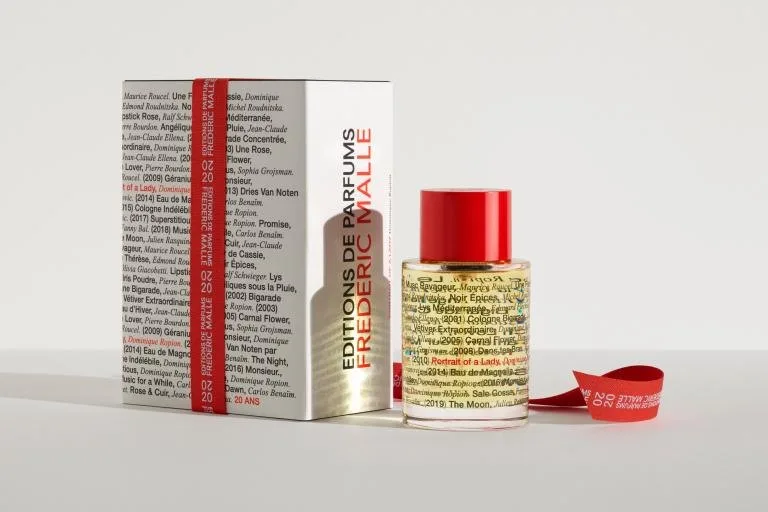
Frédéric Malle. The Paris fragrance house prints nothing on its bottles except the perfumer’s name and the fragrance name. No marketing language. No claims. No decorative typography. The bottles are pharmaceutical in their simplicity and luxurious in their confidence. The brand’s entire proposition rests on the assumption that the person holding the bottle does not need to be told why it is worth the price.
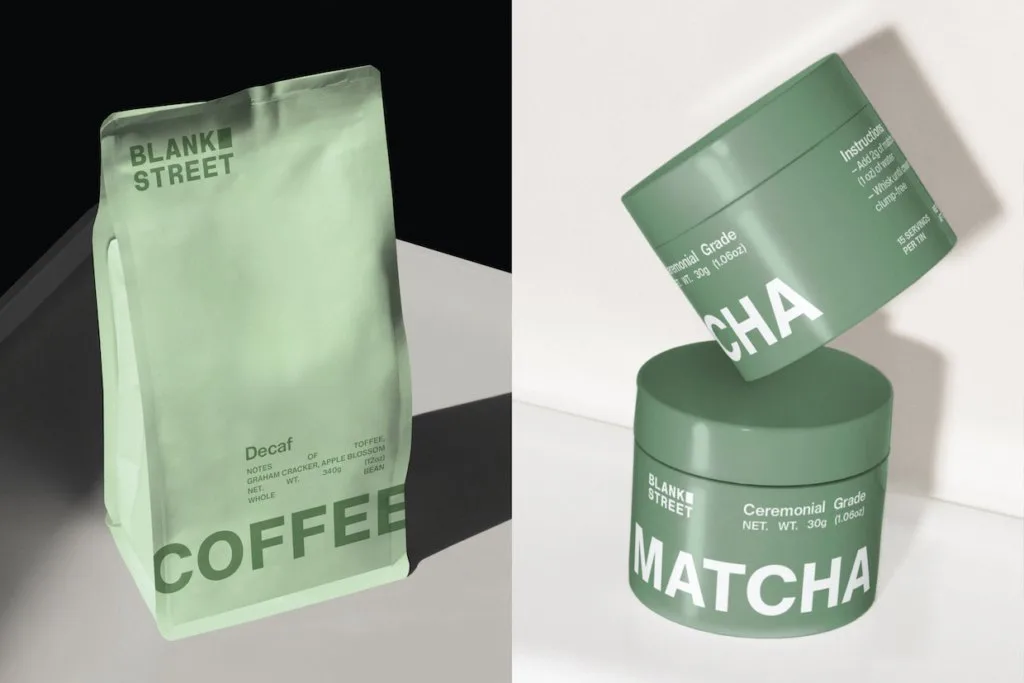
Blank Street Coffee. Worth including as a non-luxury counter-example because the brand demonstrates that minimalism is a strategy, not an end point. Blank Street adopted the visual language of quiet luxury for a mass-market product, and it worked. The brand created perceived premiumness at a price point that did not justify it. When minimalism is adopted without underlying quality, it creates a trust gap that catches up with brands eventually. Blank Street’s rapid expansion tested whether the packaging promise could hold at scale.
The Sustainability Intersection
The overlap between minimalism and sustainability is not coincidental. Reduction in material complexity is simultaneously a visual strategy and an environmental one. The luxury packaging market has moved beyond sustainable materials as a marketing add-on. In 2026, sustainability is structurally integrated into the design brief rather than applied after the fact.
The implication for brand practitioners: the packaging brief for a luxury brand now begins with material constraints that inform the design rather than design that informs the materials. This is a change from how packaging work was structured five years ago, and it produces different outcomes. Restraint driven by material limitation often produces more interesting design decisions than restraint chosen purely for aesthetic effect.
What This Means for Brand Strategy
Packaging minimalism is not a design trend. It is a strategic statement about how a brand understands the relationship between its product and its audience.
Brands that choose minimalism are saying: we trust our product to do the work. We believe our audience will understand quality without being told about it. We are not competing for attention. We are rewarding attention.
These are expensive positions to take. They require genuine product quality to support the packaging promise. They require consistency across every physical touchpoint: the box, the tissue, the insert card, the bag, the in-store experience. And they require the confidence to resist the pressure that every brand eventually faces to say more, add more, show more.
The brands that hold this position over time, resisting the drift toward decorated excess when competitors add embellishment or when a new marketing team decides the packaging “could do more work,” build equity that is very difficult to dislodge.
The ones that abandon it, typically in pursuit of short-term standout, almost always regret it. Premiumness is easier to erode than it is to build, and packaging is usually the first place the erosion shows.
The Practical Brief
For brand practitioners working with clients on packaging, three questions that cut through the strategic noise:
What does this packaging assume about the person holding it? Luxury packaging assumes a level of cultural capital in the audience. If the packaging needs to explain the price, the price is wrong or the audience is wrong.
What happens when the packaging is empty? The test of truly premium packaging is whether people keep it. Aesop bottles become bathroom accessories. Good fragrance boxes become storage. If the packaging has no life beyond its first use, it is not doing full brand work.
Is the restraint earned? Minimalism as a luxury signal only functions when the product quality supports it. A beautifully simple package containing a mediocre product creates a trust violation that damages the brand more than overwrought packaging would have.
The brands winning on packaging in 2026 are not the ones spending the most on materials. They are the ones spending the most on thought.
Keep reading