Experiential Agencies Are Leaving the Holding Companies

BTC Lens
Holding companies are deciding what counts as core
Jack Morton’s exit from Omnicom is a small deal with a large signal. As holding companies consolidate around data, media and AI-driven scale, specialist disciplines built on live events, logistics and physical craft are being moved out. For brands that buy experiential work, that changes who they are buying from.
On 21 January 2026, Jack Morton announced it was leaving Omnicom and merging with Impact XM, a long-standing experiential rival backed by private equity firm The Riverside Company. On 19 February, Riverside confirmed that Impact XM had acquired Jack Morton from Omnicom.
When a holding company sells an agency, it is telling you what it no longer thinks it needs.
Omnicom only came to own Jack Morton through its acquisition of Interpublic, completed in November 2025. It agreed to sell it within two months.
Inside the Omnicom Jack Morton Deal
The structure says a lot about how each side valued the assets. Impact XM CEO Jared Pollacco became CEO of the combined agency. Jack Morton CEO Craig Millon became global president. Josh McCall, who led Jack Morton from 2003 until 2022, returned as executive chairman.
Millon framed the logic in the announcement: “Together, we’re building an agency ready for a marketing landscape reshaped by AI, one that keeps real, human experience at the center.”
The combined business kept the Jack Morton name. It has around 20 offices across North America, Europe, the Middle East and Asia Pacific, and more than 1,000 employees.
Keeping the name is the most revealing detail. Impact XM’s leadership runs the company, but the brand that faces clients is Jack Morton. Private equity bought operational control and kept the name with the longer client history and the stronger reputation. That is a sensible reading of where brand equity sits in a services business.
Why Holding Companies Are Letting Go
The deal fits a wider pattern. Holding companies have spent years buying data and influence capability, from Publicis acquiring Influential to Havas buying DMPG. WPP’s Elevate28 plan, unveiled on 26 February, reorganises the group into four core divisions. Omnicom’s integration of IPG has pushed it to decide which agencies fit a model built on data, media buying and technology.
Experiential work does not fit that model neatly. It is labour-intensive, built around live events, and difficult to scale through software. Its margins depend on people and logistics, not platforms. In a holding company that wants every unit to plug into a shared data and media engine, an experiential agency looks like an outlier.

For years, owning a top experiential agency was proof that a holding company could deliver everything a client needed. That argument has weakened as holding companies reposition around scale and AI.
The merged company kept the Jack Morton name. Private equity knows which brand carries the client relationships.
What This Means for Brands
For brands, the practical effect is a shift in the buying landscape.
Experiential is moving toward independent and private-equity-backed specialists. That can be good for clients: a focused agency with owners who want it to grow, rather than a unit inside a group that sees it as non-core. It also means brands that relied on a holding company to integrate experiential with media and creative will need to do more of that integration themselves.
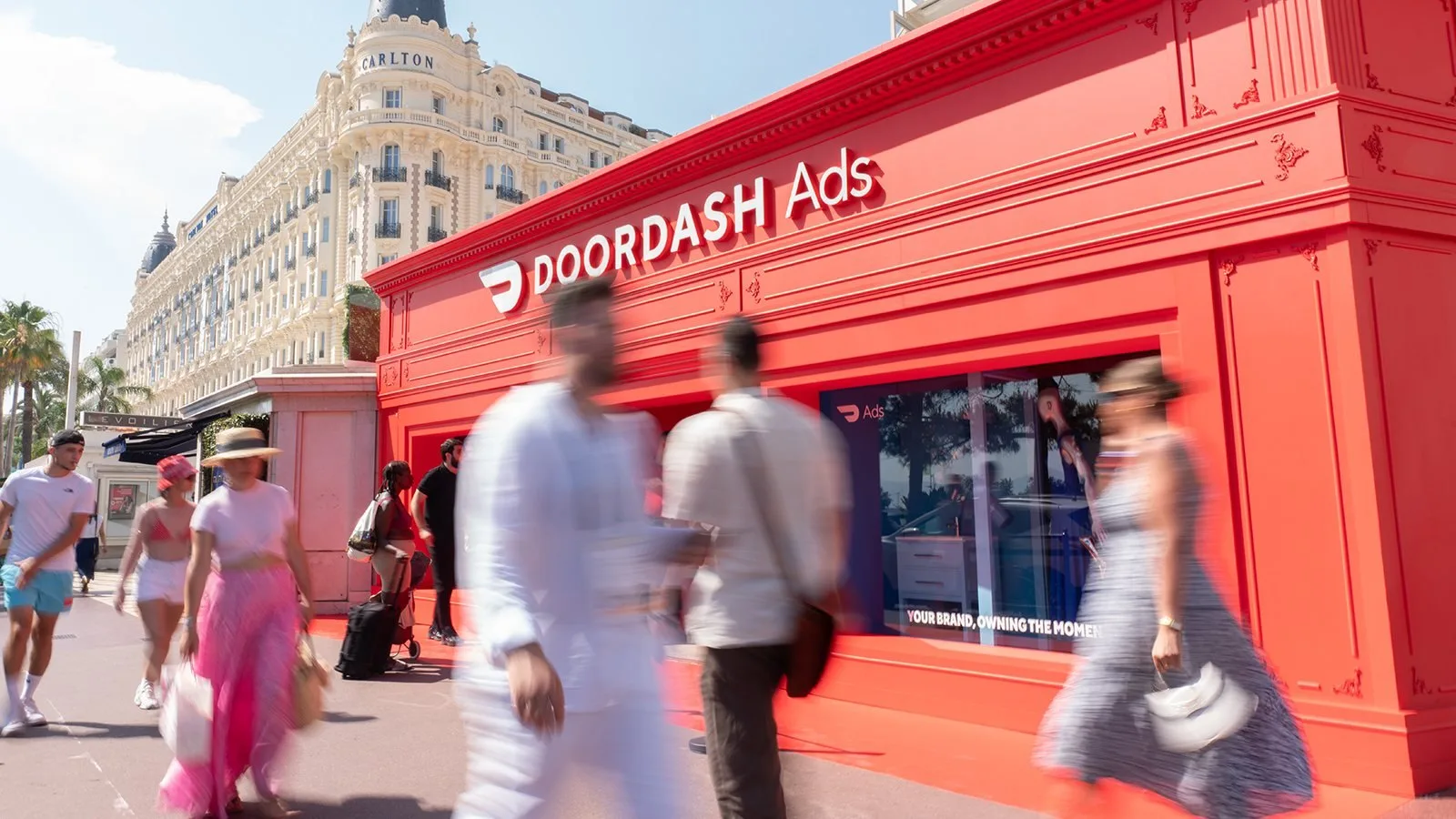
The second effect is on agency brands. As specialists leave holding companies, their own names have to work harder. Jack Morton keeping its name shows the industry understands this. A specialist agency’s brand is now its main commercial asset, not a line on a holding company’s capability slide.
The Signal Worth Watching
Watch which other specialist disciplines follow. Events, sponsorship and other live-experience specialists are the obvious candidates. Content production is moving the other way: WPP has made it one of its four core divisions. Every sale tells brand leaders where holding companies now see their future, and which kinds of work they expect to buy elsewhere.
Featured image: Impact XM
Keep reading