One Designer, Two British Heritage Houses: What Roberto Menichetti’s Dual Role Signals

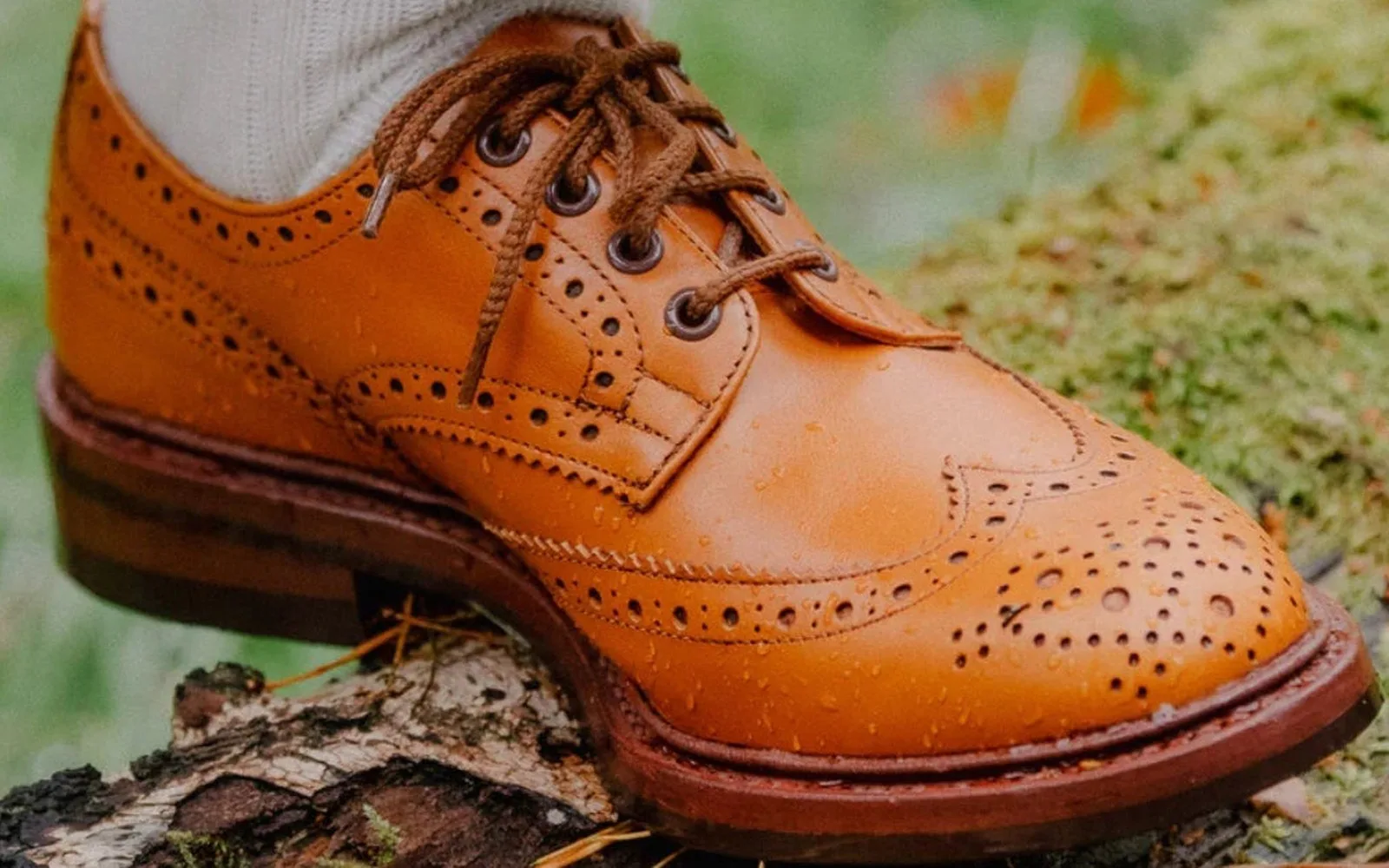
Most heritage fashion brands hire a creative director for one house and expect a moment. The more interesting appointments are the quiet ones. Roberto Menichetti, the Italian designer with a long career in menswear and tailoring, was named creative director of the British shirtmaker Turnbull & Asser in December 2025. This month he took the same title at Tricker’s, the Northampton shoemaker, after a majority stake in Tricker’s was acquired through an investment vehicle backed by Turnbull & Asser chairman James Fayed and Menichetti himself. Two historic British names now share one creative lead. That is unusual, and it says something about how heritage brands are being run.
Who he is and what he brings
Menichetti was born in the United States and raised in Italy. By the company’s account he started out alongside the French designer Claude Montana, then joined Gruppo Finanziario Tessile, where he managed licences for houses including Valentino and Armani. In the 1990s he went to Jil Sander to launch its menswear collection, later joined Burberryi on the team overseeing a brand turnaround, and from 2004 was consulting creative director of Celine. At Turnbull & Asser he oversees all creative work, from bespoke shirting to tailoring, outerwear and accessories. He describes his philosophy as a search for the essence of form, with clarity, proportion and timelessness. That is a clear position in a market where many heritage names have chased logos, collaborations and seasonal drama. The company’s announcement is on Business Wire.
A heritage brand does not need a star designer. It needs an editor.
Why share a creative director
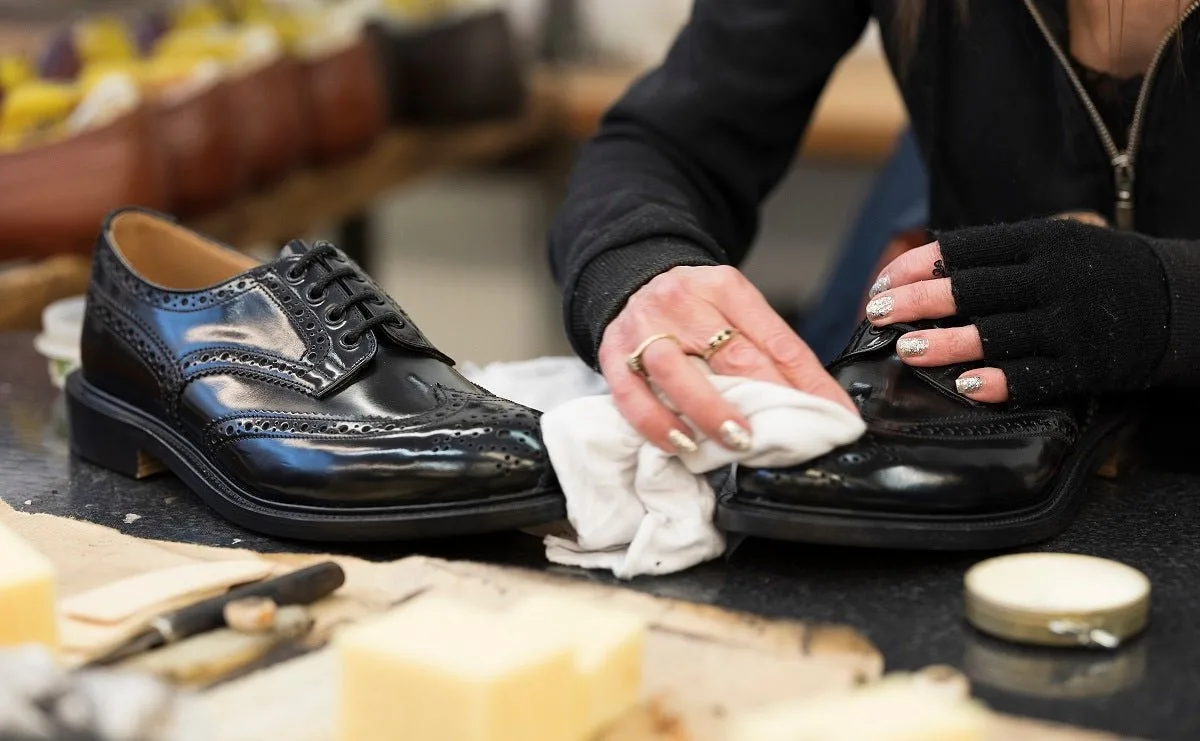
At first glance shirts and shoes are different crafts. The case for one creative lead is about brand rather than product. First, coherence. Someone who buys a Turnbull & Asser shirt and Tricker’s shoes should feel they come from the same sensibility, even though the companies are separate. One director can tune proportion, colour and finish across both without a committee. Second, the craft itself. Tricker’s managing director Martin Mason has spoken about a history built by skilled hands, and a creative lead with an essentialist view is more likely to protect a making tradition than one who wants to reinvent it each season. Third, economy. Small heritage houses rarely afford a full creative team, so shared leadership spreads the cost and the learning. The risk is that the two start to look alike and each loses the character that made it worth keeping.
The owner-designer model
What stands out in the Tricker’s deal is that the creative director is also an owner. Menichetti and Fayed are the buyers of the stake, and that changes the relationship between design and business. A creative director with capital at risk has a reason to say no to short-term products that would dilute the name, and to invest in the factory, the lasts and the people. Heritage brands that have struggled in recent years often did so when the creative lead and the owner wanted different things. A director with a stake lines the two up. We expect to see more of it among craft-led labels, particularly where private or family ownership allows a long view.
Lessons from the Burberry link
His time at Burberry is worth a second look. He was part of the team during a turnaround, a reinvention that ran from the equestrian knight logo on shoe soles to the wider question of what a new era in fashion branding looks like. The lesson that carries over is that a heritage brand is revived by editing what it already has, not by adding to it. At Turnbull & Asser that means the shirt, the cut and the shop tradition. At Tricker’s it means the boot and the factory. Whatever Menichetti does will be measured by how recognisable those things stay.
Also readLuxury, redefined: what Jaguar’s transformative rebrand means for the modern consumer
What brand teams can take from it
Heritage is not a style, it is a set of constraints. The brands that handle it well decide what they will never change before they decide what to change. A creative director is a brand role as much as a design role. The test for a heritage house is whether the person it hires can say what the brand stands for in a sentence, and will be allowed to enforce it. And ownership structure is part of brand strategy. Where the creative lead has a stake, the brand can make slower, more consistent decisions than a company run to quarterly numbers.
What to Watch
Watch the first full collections under Menichetti at both houses: if the shirts and shoes feel like they share a sensibility without losing their separate identities, the shared-director model works, and other small heritage brands can follow it.
Keep reading