
Korean Air’s Rebrand: A Strategic Leap into the Future of Aviation

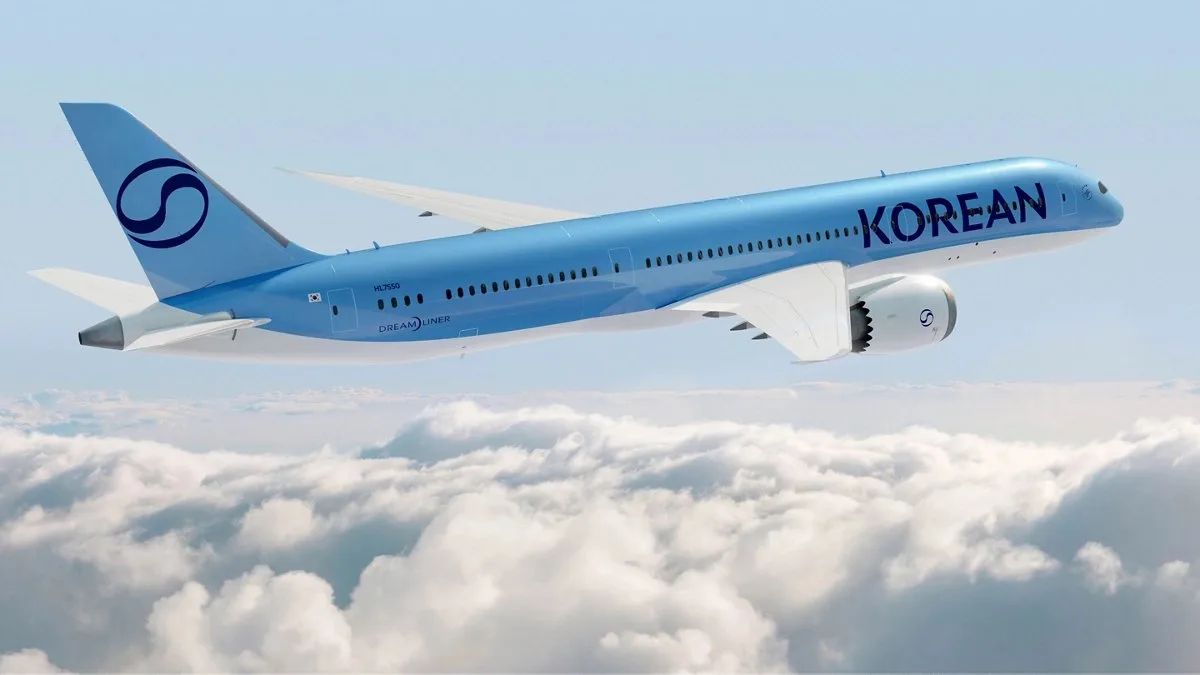
In March 2025, Korean Air unveiled a striking rebrand, marking its most significant transformation in over 40 years. This strategic overhaul aligns with the airline’s $1.3 billion acquisition of Asiana Airlines, a move that cements its position as one of the largest global carriers.
While many airlines refresh their brand identities in response to market shifts, Korean Air’s rebranding is more than just a cosmetic upgrade. It signals a new era of leadership, ambition, and global positioning, blending heritage, modernity, and a premium brand experience.
What does this transformation mean for the airline’s future, its passengers, and its global reputation? Let’s break it down.
Why Now? The Business Case Behind Korean Air’s Rebranding
For decades, Korean Air’s brand identity remained largely unchanged—rooted in its signature sky-blue livery and the iconic Taegeuk symbol, a tribute to South Korea’s cultural identity.
But the acquisition of Asiana Airlines in December 2024 became a defining moment. It wasn’t just about absorbing a competitor; it was about creating a unified, future-ready airline that could compete on the world stage.
CEO Walter Cho framed it as a bold step forward, stating:
“We’re not just growing in revenue and size; we are elevating service quality and customer experience. Our rebranding is a commitment to excellence as we integrate Asiana and redefine our identity for the future.”
As global competition intensifies, Korean Air’s strategic move places it in direct contention with top-tier carriers such as Singapore Airlines, Qatar Airways, and Emirates—all known for their premium branding and customer experience.
The New Brand Identity: A Masterclass in Modernization
Partnering with global brand consultancy Lippincott, Korean Air revamped its visual and brand identity with a sleek, premium, and contemporary appeal.
Here’s what changed:
1. The Evolution of the Taegeuk Symbol
• The Taegeuk emblem, an integral part of the airline’s identity, was reimagined with deeper, richer shades of blue.
• Inspired by Korea’s traditional Sangmo dance, the new design creates a more fluid, modern aesthetic while preserving its cultural roots.
2. A New Logotype with a Statement
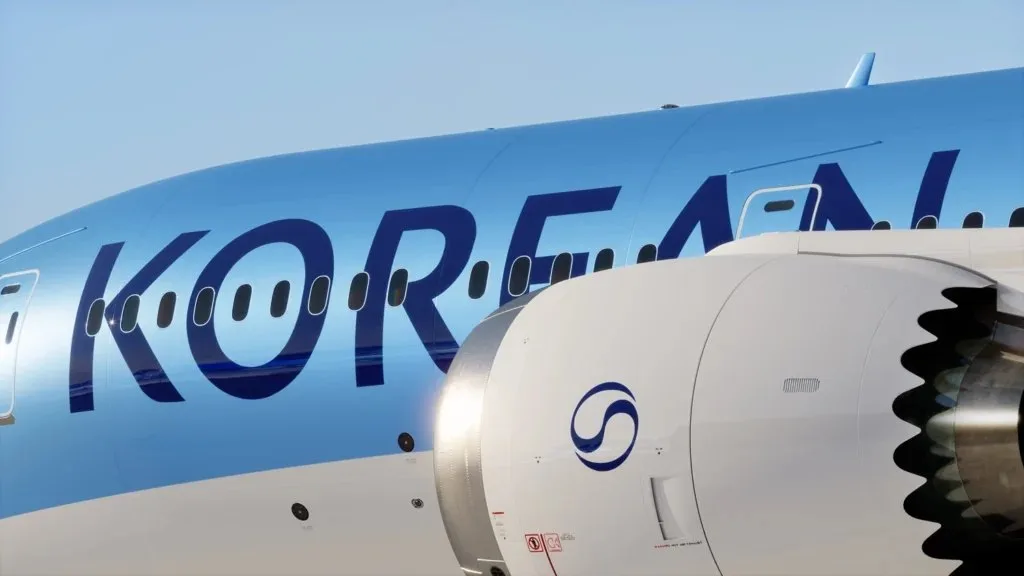
• The most striking change? “Air” was dropped from the fuselage branding.
• The name “KOREAN” now takes center stage, reinforcing the airline’s national pride and global ambitions.
• The typography embraces sleek, brushstroke-like curves, a nod to Korea’s artistic heritage while embodying forward momentum.
3. A More Premium Livery
• The new metallic sky-blue fuselage introduces a sophisticated, high-end aesthetic.
• The bold “KOREAN” logotype enhances brand visibility and recognition.
• The simplified dark blue Taegeuk on the tail replaces the previous version, creating a more refined and balanced composition.
These changes create a cleaner, more confident, and premium brand presence, aligning with the airline’s aspiration to be a world-class carrier.
Beyond the Logo: A Strategic Brand Transformation
Korean Air’s rebranding is not just a design refresh—it’s a strategic repositioning aimed at:
• Strengthening Global Competitiveness
A modernized identity helps Korean Air compete more effectively with luxury carriers in the premium aviation sector.
• Unifying Asiana Airlines Under One Cohesive Brand
The rebranding ensures a seamless merger, reducing brand confusion and establishing a strong, singular airline identity.
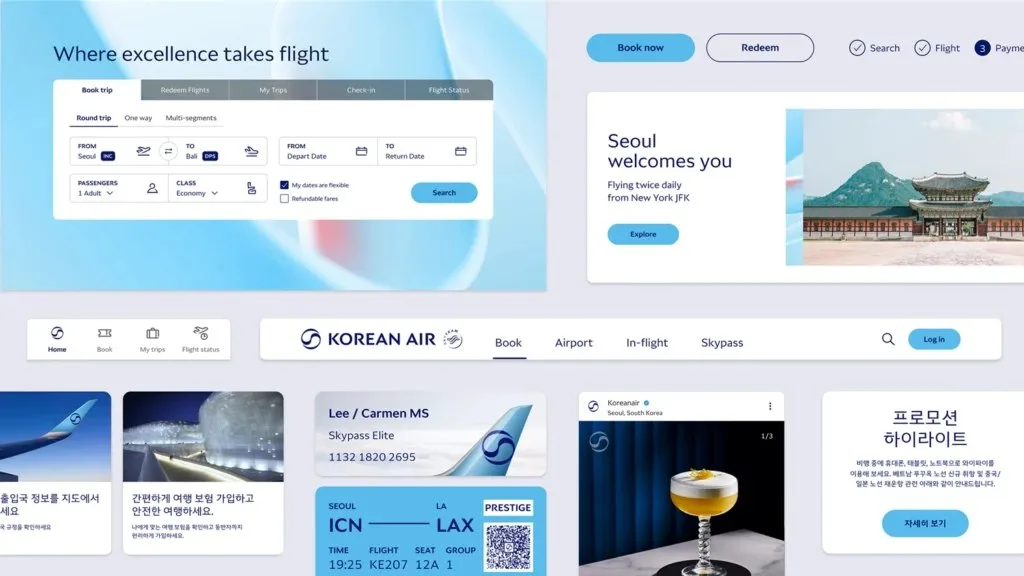
• Enhancing Customer Experience & Brand Perception
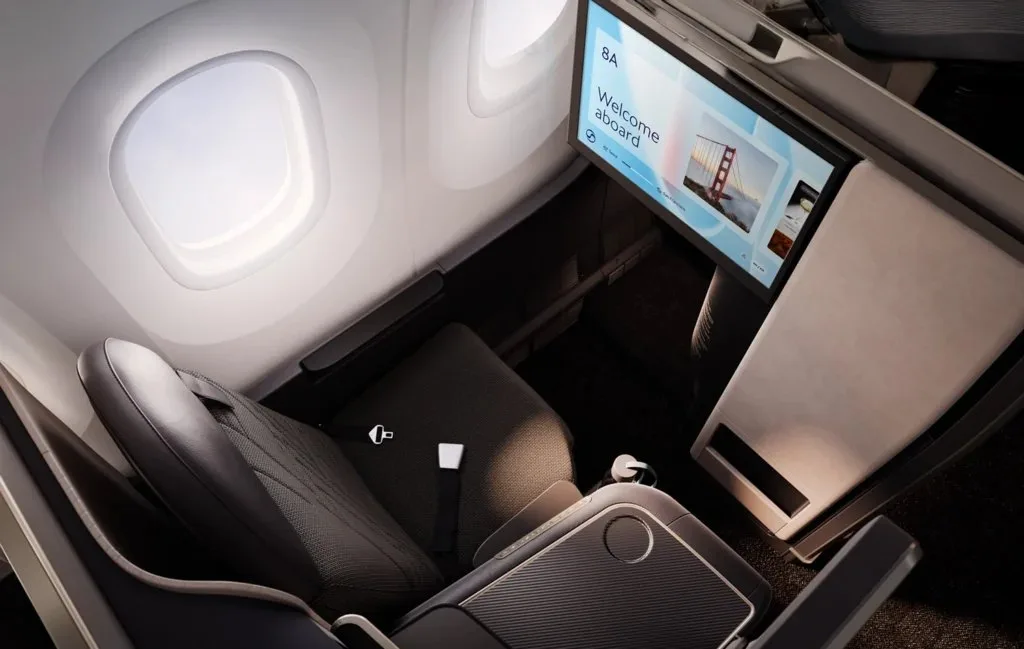
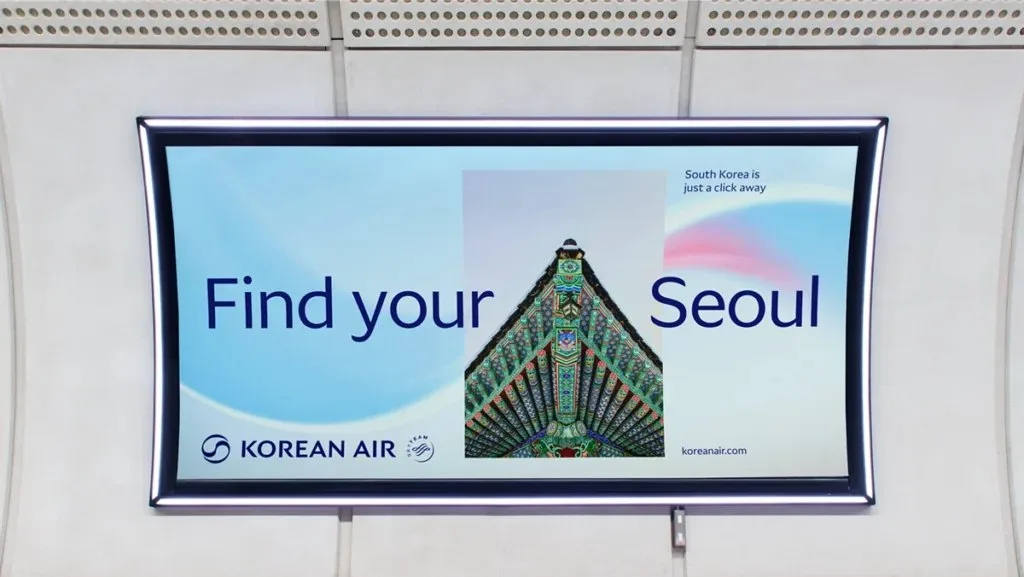
By refining every touchpoint—from digital experiences to onboard aesthetics—Korean Air aims to elevate its brand perception as a premium, full-service airline.
As CEO Walter Cho reiterated:
“We are not just changing our look. We are reshaping the entire brand experience to reflect our ambition and future direction.”
Keep reading