
BTC Lens
Trust depends on who the brand is for
Wearable brands argue about accuracy, but customers judge the relationship: how strict it is, how it treats a missed day, and whether their record can leave. The same behaviour earns loyalty from one customer and guilt from another. Fit decides who stays.
Wear a Whoop, an Oura ring and an Apple Watch through the same night and you wake to three slightly different stories about your sleep. None of the wearable brands behind them will tell you the stories disagree. Each hands over a score with the same confidence.
That confidence is the product. Open any homepage and the promise lands in seconds: know your body, understand your recovery, live longer. Brands have always sold relief from not knowing, but here what is being made certain is a living body on an ordinary day. This piece looks at how the brands behave around that promise: who they build for, how they handle being compared, and what they do with your data.
Who each brand is built for
The category has split into camps, and each is designed around a different customer.
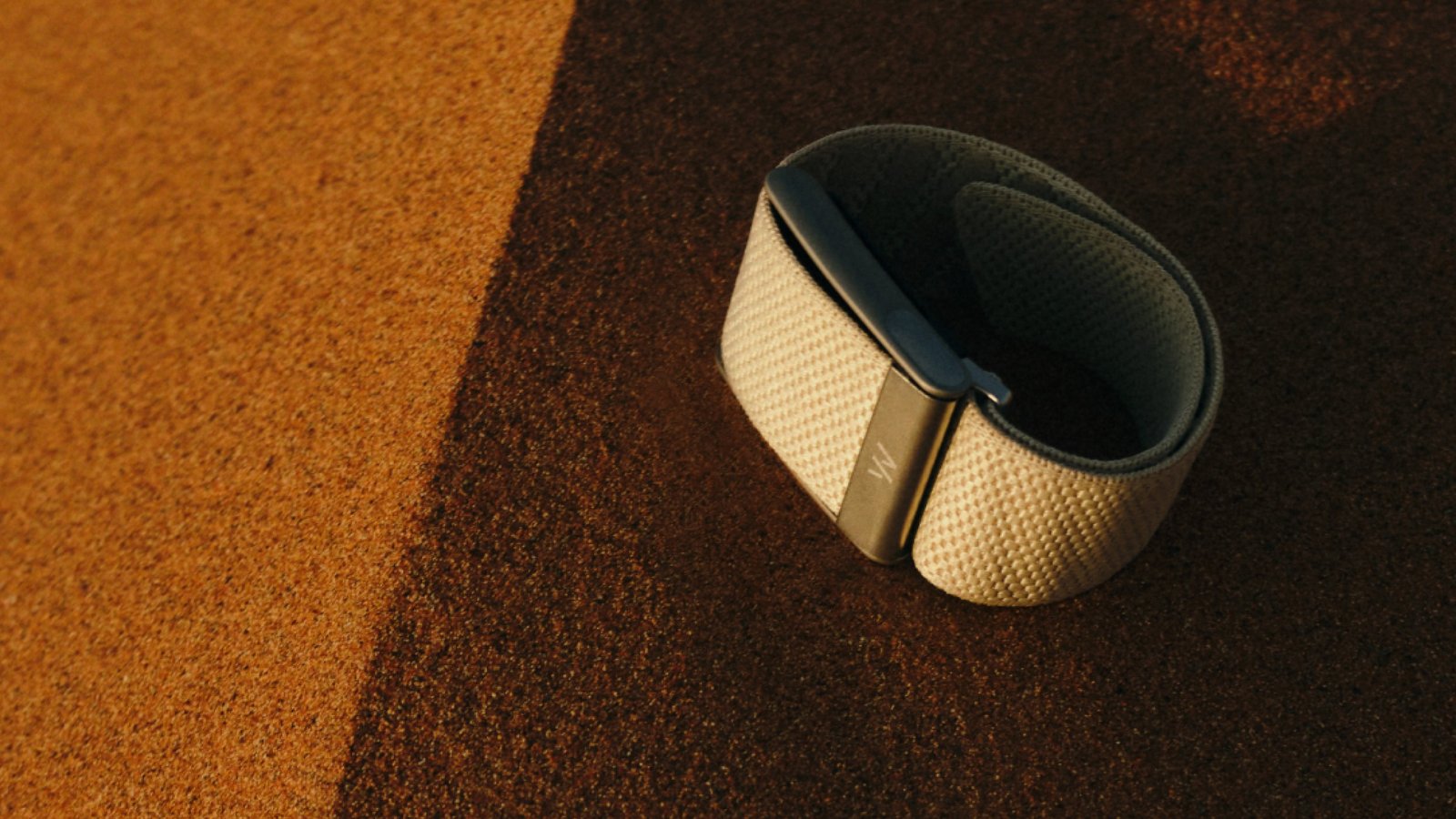
Whoop is for people who train. It sells a membership with the band included, raised 575 million dollars in March 2026 at a 10.1 billion dollar valuation, and counts more than 2.5 million members. Its backers include athletes such as Cristiano Ronaldo and LeBron James, and Gulf investors including QIA and Mubadala, with the GCC among its expansion markets.
Oura is for sleep and daily readiness, in a ring with no screen. It reports 5.7 million paid members. It launched a Nasdaq listing in September 2026 and postponed it on 29 September, citing market uncertainty.
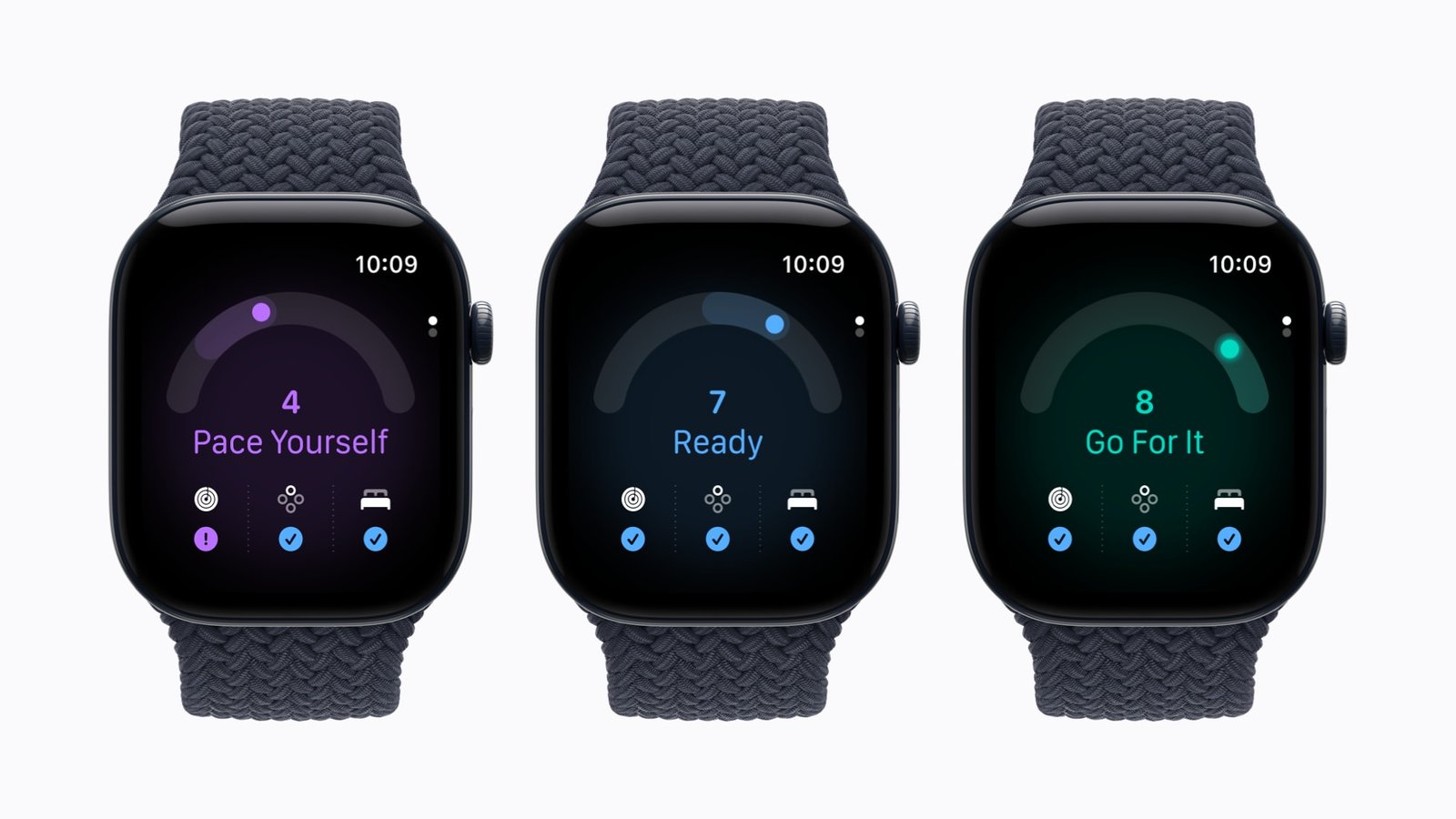
Apple Watch is the watch most people already wear, so health tracking arrives as a feature, not a membership. That is shifting at the edges. Series 12 adds Readiness, a daily 0 to 10 score built from recent activity, training load, vitals and sleep, and Apple’s launch release mentions no subscription for it. It is Whoop and Oura’s core idea, delivered by the default watch.
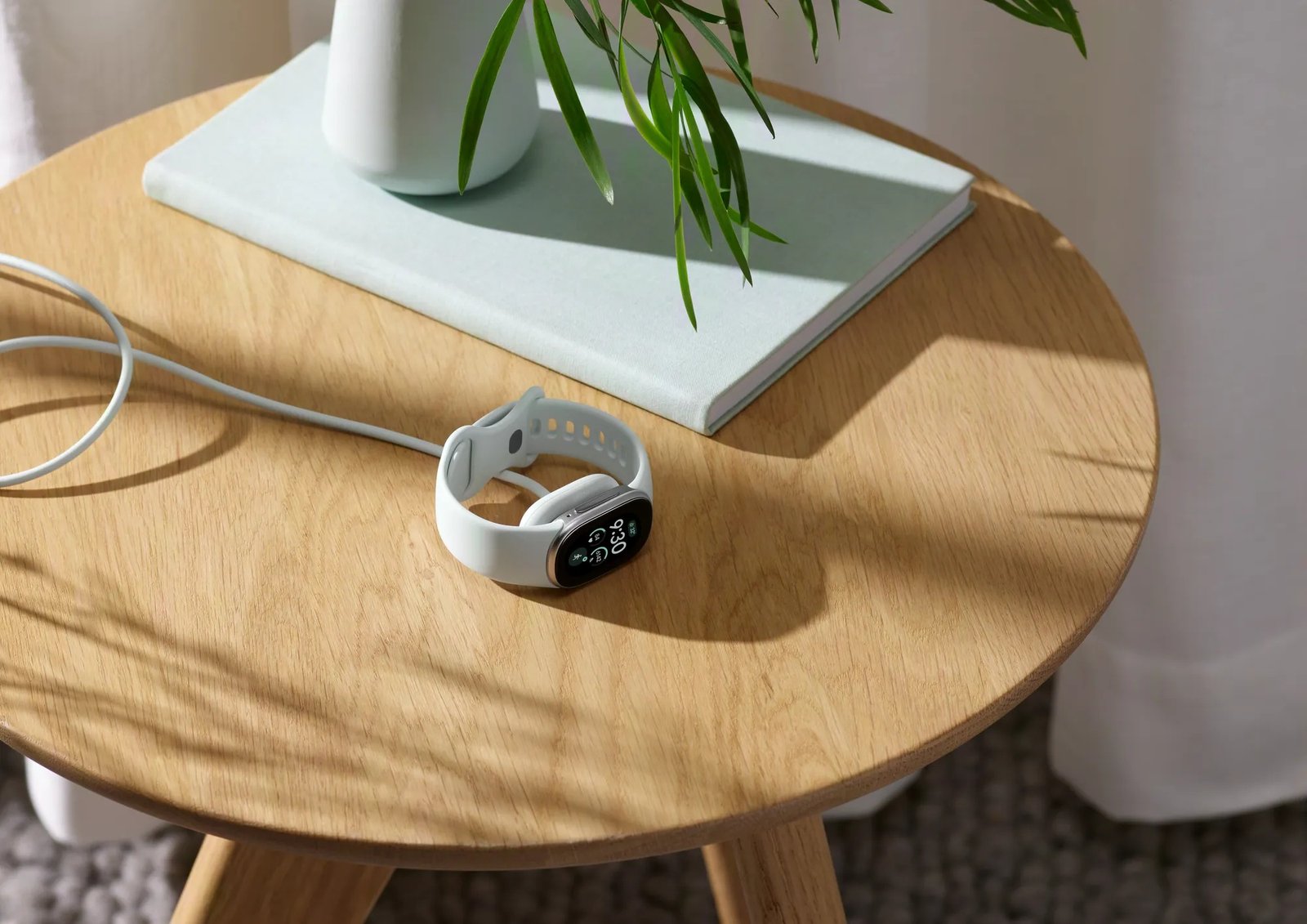
Google Health is the mass-market route. The Fitbit app is being replaced by Google Health, and Fitbit Air, a screenless 99.99 dollar band aimed at Whoop, keeps core tracking free with an optional Premium tier. This month Google added Fitbit Edge.
The sold-outright camp makes the opposite bet. Polar’s screenless Loop launched in 2025 with no subscription, Hume sells its Band outright with optional paid coaching, and Samsung’s Galaxy Ring made “no subscription” a headline. Ultrahuman redesigned its ring to return to the US after an Oura patent ruling blocked imports.
Fit is the whole story here. Whoop’s strictness suits athletes. Recovery only means something if the record is complete, so the demanding tone and the unforgiving gap are part of the appeal. Athletes and professionals wear it all the time because it works for training.
The same strictness is a harder sell for the average person. Whoop’s own help page says a recovery score can be missing when the strap was not worn the previous day, so a forgotten day leaves a hole. Research on people who abandon trackers points to the risk: in a University of Washington study of 141 former Fitbit users, half described feeling guilty about lapsing, and other studies tie quitting to lost motivation and the burden of wearing a device daily. A mass-market watch cannot afford to punish a lapse, because lapses are its normal customer. In daily use, rings and watches tend to shrug off a missed night, though neither brand documents that.
The same strictness that wins an athlete can lose everyone else.
Similar is not the same as accurate
Customers judge accuracy by comparison. If two bands give similar numbers, both feel right. If one differs, it is the one blamed. That is not how accuracy works. Two devices can share the same error, and one can be right while the other is wrong. Accuracy needs a reference, such as a sleep lab or an ECG.
When researchers did that, the picture was mixed. In a lab test of six consumer devices against a sleep study, the devices matched on asleep versus awake 86 to 89 percent of the time, but only 50 to 65 percent on sleep stages. Reliable on when you slept, shakier on how well.
Some features are held to a medical standard. The FDA has cleared ECG and irregular rhythm features on Apple Watch and Samsung’s Galaxy Watch, hypertension notifications on Apple Watch in September 2025, and sleep apnea detection on both. Whoop’s MG band carries an FDA-cleared ECG. But clearance covers a feature, not the whole product. A cleared ECG does not turn a readiness score into a medical measurement, yet the badge can make every number on the screen feel more clinical. That halo is a brand effect worth naming.
Agreement between bands is not accuracy.
When the words run ahead of the product
Wearable brands borrowed medicine’s vocabulary: readiness, strain, healthspan, biological age. These are models, not diagnoses. Whoop Age, for example, is built from about six months of data across nine inputs and is labelled for wellness, not medical use.
The line was tested in public. In July 2025 the US FDA sent Whoop a warning letter over Blood Pressure Insights, arguing that daily blood pressure estimates made it a medical device. Whoop disagreed. The FDA updated its wellness guidance in January 2026, and in June 2026 it closed the letter after Whoop changed the feature and its labelling. The closure covers the modified feature only.
No side is taken here on the legal question. The brand lesson is that the authority questioned what the words promised, not whether the sensor worked.
The apps on top
The bands also created a market that sits above them. Apple Health and the central health apps from Google collect data from many devices, and Oura and Whoop both feed Apple Health. Apps built on that shared pool sell the meaning of the data without making the hardware.
Bevel is the clearest example. It is an AI health app at about 6 dollars a month that reads data from devices such as Apple Watch and adds coaching on top. It raised a 10 million dollar Series A in October 2025. In March 2026 Whoop sued Bevel over alleged copying of its app design. Bevel disputes the claim, and no ruling has been reported.
For the brands, this is a trust question as much as a legal one. The customer may come to see the app, not the band, as the brand. And Apple holds a strong position because it owns the hub the others plug into.
The record you can’t take with you
Whoop and Oura both lean on subscriptions. Oura’s Ring 4 costs 5.99 dollars a month for most features, and Whoop’s band is part of the membership. Customers read that as a band that stops being useful the day they stop paying, and as a history that stays with the brand.
Fitbit owners have had a year of changing terms. Google set 19 May 2026 as the last day for Fitbit accounts, scheduled deletion of unmigrated accounts from 15 July, and by mid-September the Google Health app accepted Google logins only. This month, holdouts were pushed off the old app and third-party apps such as MyFitnessPal had to reconnect. To its credit, Google gave users a window to download or delete their data first.
What any brand can take from this
This is not only a wearables story. Credit scores, SaaS health scores, AI answers and brand audits all make the same promise: a number you can trust. Five habits separate the brands that keep trust.
- Know who you are strict with. Rigour that suits your core customer can push everyone else away. Choose it on purpose.
- Do not let comparison stand in for proof. If your number matches a rival’s, say what it was checked against.
- Choose words you can defend. Call a model a model, and say what a cleared feature does and does not cover.
- Say how sure you are. “Recovery 41 percent, medium confidence, based on three nights of data” is worth more than a bare score.
- Let people leave with their history. A record that cannot travel feels like a lock.
The takeaway
People will keep choosing these bands, because the category is growing and nobody wants to feel left out. The brands that last will be the ones that stay honest about what a number can say, and about who they are really built for.