
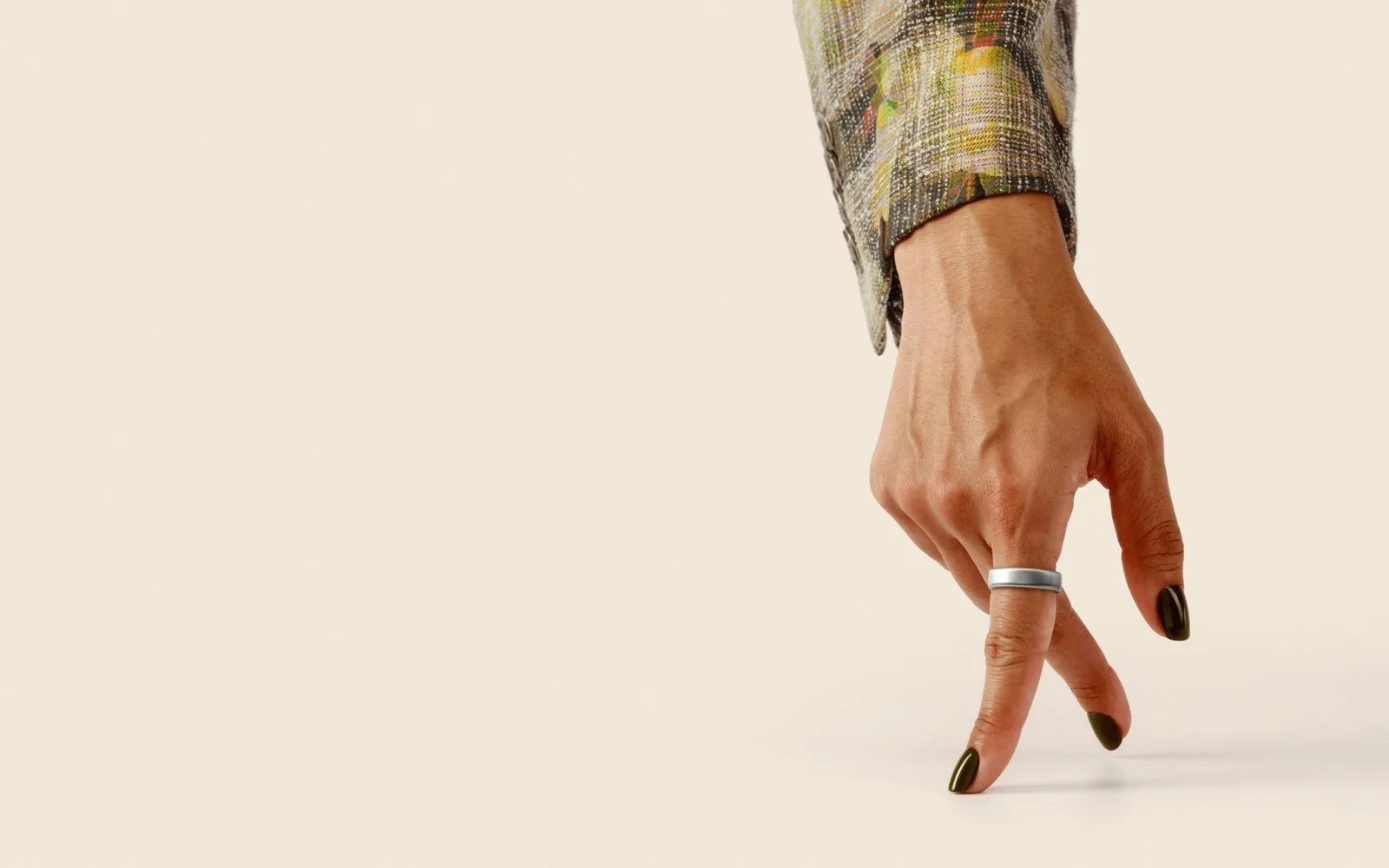
On 29 September, smart ring maker Oura postponed IPO plans for a Nasdaq listing, citing uncertainty in the market despite what it called strong demand. The company had formally launched the offering on 21 September, aiming to raise up to $2.2 billion by selling 50 million shares at $40 to $44 each. At that range, it targeted a fully diluted valuation of about $15.6 billion. The fundamentals Oura presented were strong. It said it expected revenue to grow about 90% year on year in fiscal 2026, and reported 5.7 million paid members.
Why the Oura IPO Was Postponed
The stated reason was the market, and the wider evidence supports it. Reuters linked a wave of delayed listings to rising bond yields, with the 10-year US Treasury yield at its highest level since 2007. Rate rises, geopolitical tension and swings in AI stocks have made investors cautious about new listings across sectors.
In any category built on personal data, trust is the product.
So this is not a verdict on the Oura brand. Demand from consumers and, by Oura’s account, from investors was there. The timing was not. That distinction matters for brand teams. A postponed IPO caused by market conditions and one caused by doubts about the business look the same in a headline. They mean very different things for the brand.
The Brand Question Oura Still Has to Answer
Even so, the pause gives Oura time with a question that will not go away. Every wearable brand sells the same core promise: we understand your body, and your data is safe with us. The tension is not new. Whoop faces a proposed class action filed in 2025 over how health data was shared with third-party analytics tools, and Oura faces suits that question the accuracy of its sleep tracking. Claims like these go to the most sensitive part of the brand promise. A public company faces more scrutiny, more disclosure and more questions from people who have never worn the product. The trust question becomes a governance question.

For a company valued on subscriptions, trust is not a soft asset. Members pay monthly because they believe the data is accurate, useful and private. If that belief weakens, the subscription model weakens with it.

The Category Is Getting Crowded
The pause also arrives as the category gets busier, with more brands linking and sharing health data. The more platforms a user’s health data passes through, the more brands share responsibility for keeping it safe. Brands that make their data practices clear and easy to understand will have an advantage as the category grows.
What brand teams should take from it
- Separate market signals from brand signals. A delayed listing in a nervous market says little about how customers feel about a product.
- Where personal data is the product, trust is the brand. Oura’s growth shows people will share intimate information with a brand they believe in. Keeping that belief is the main brand job.
- Use the pause. Oura now has time to make its data practices a visible part of its brand before it returns to the market. Brands that treat transparency as a feature will be best placed when scrutiny increases.
Keep reading