Whoop and Oura Privacy Lawsuits Test Wearable Brand Trust

BTC Lens
What this reveals
Whoop and Oura built their businesses on the most intimate data promise in consumer technology: we know your body, and we are on your side. The federal class action lawsuits filed in 2026 are not peripheral legal events. They are trust failures playing out in public.
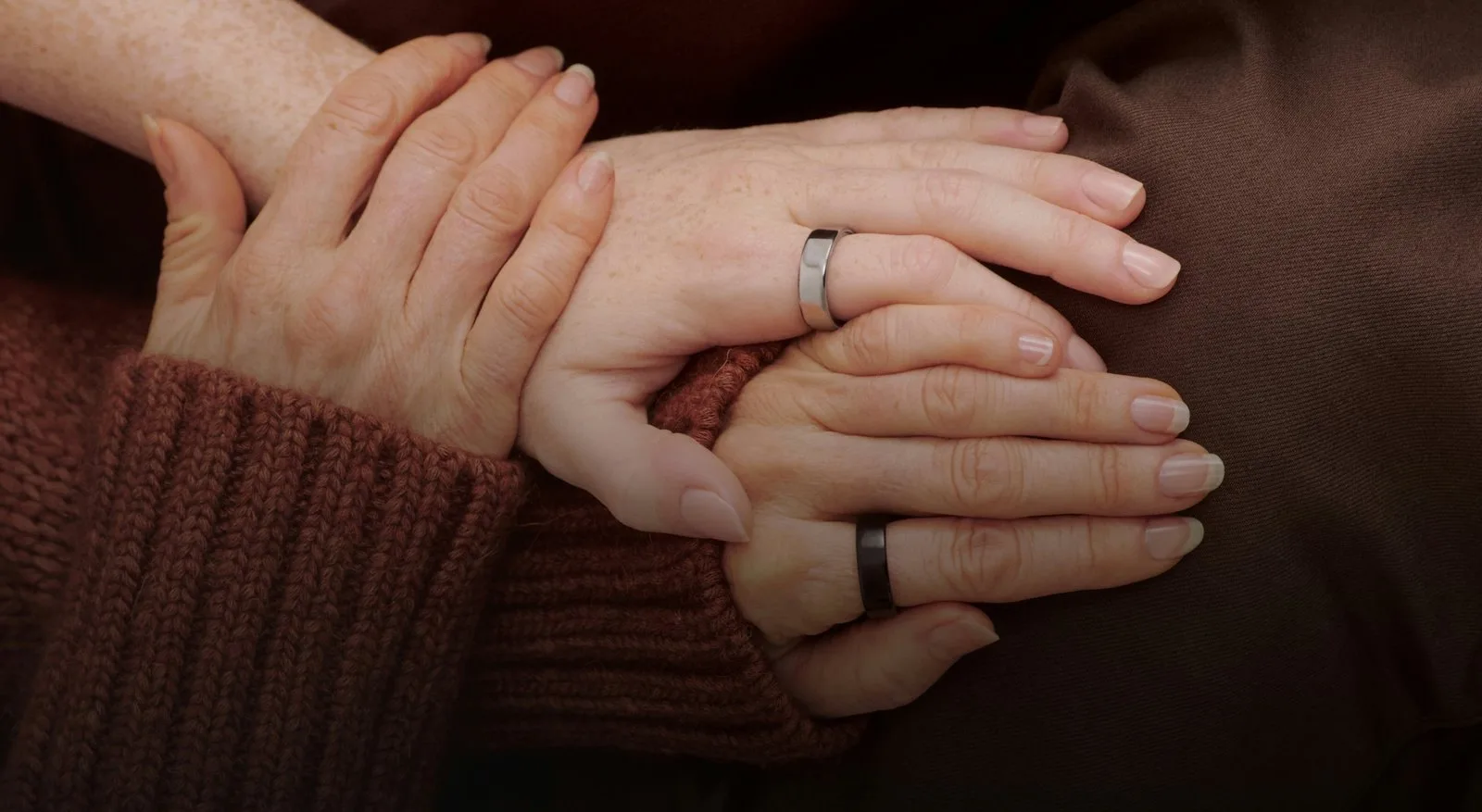
Wearables brand trust rests on a specific promise made to everyone who bought a device. The promise was not just accuracy or design. It was intimacy. We know your body. We track what no one else tracks. Your health is safe with us.
That promise is why the category grew. It is also why Whoop and Oura now face legal claims that will help define what the category stands for.
The claims are not peripheral legal events. They are brand events.
What the Lawsuits Allege
Two sets of legal claims put the category’s central promise under pressure.
Against Whoop: a proposed class action filed in 2025 alleges the company shared health and in-app data with a third-party analytics provider, Segment, without user consent, and invokes the federal Video Privacy Protection Act and the California Medical Information Act. Whoop’s policy says it uses only aggregated, pseudonymised data for research, and the plaintiff disputes that. These are allegations, not findings.
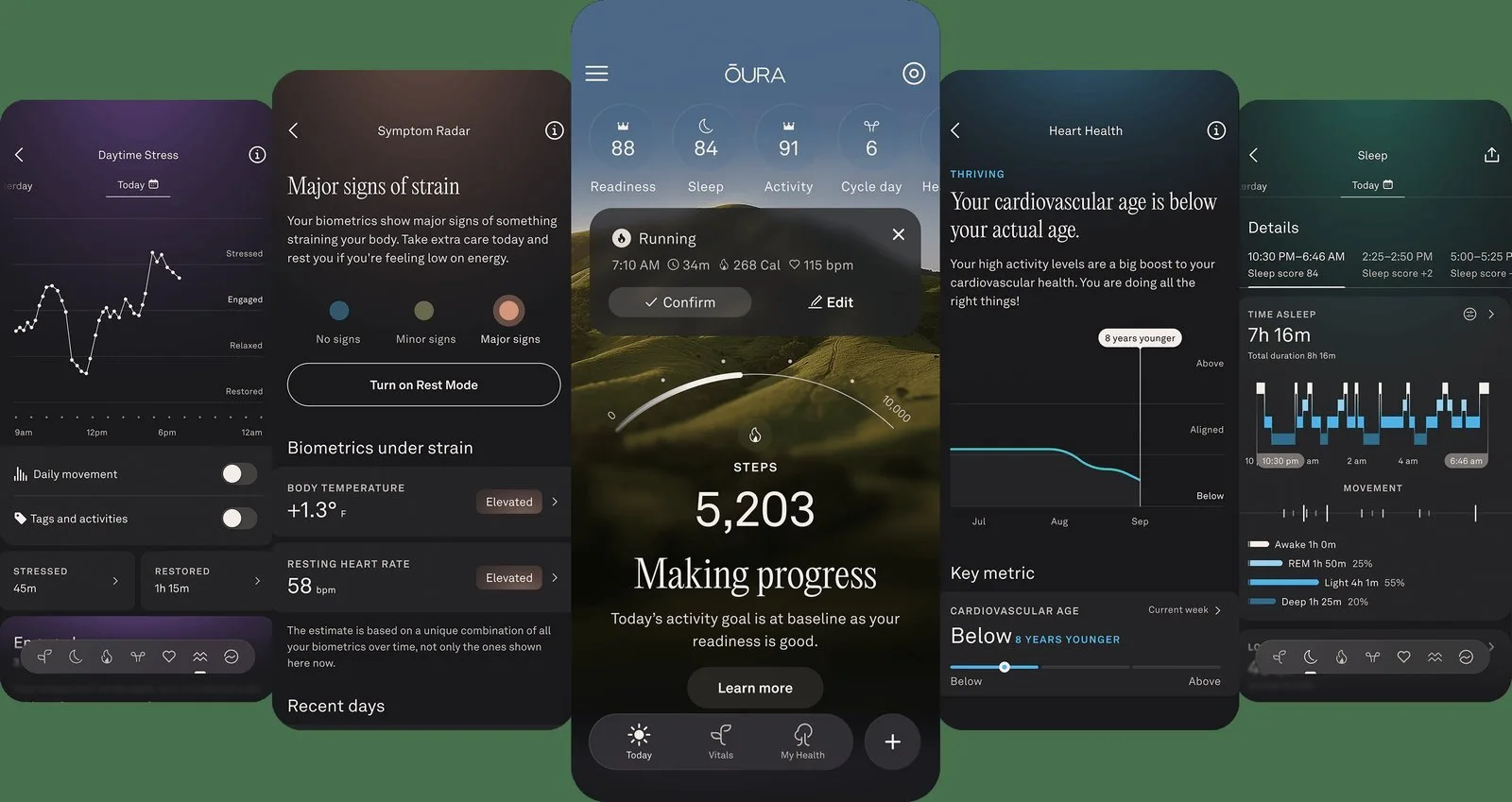
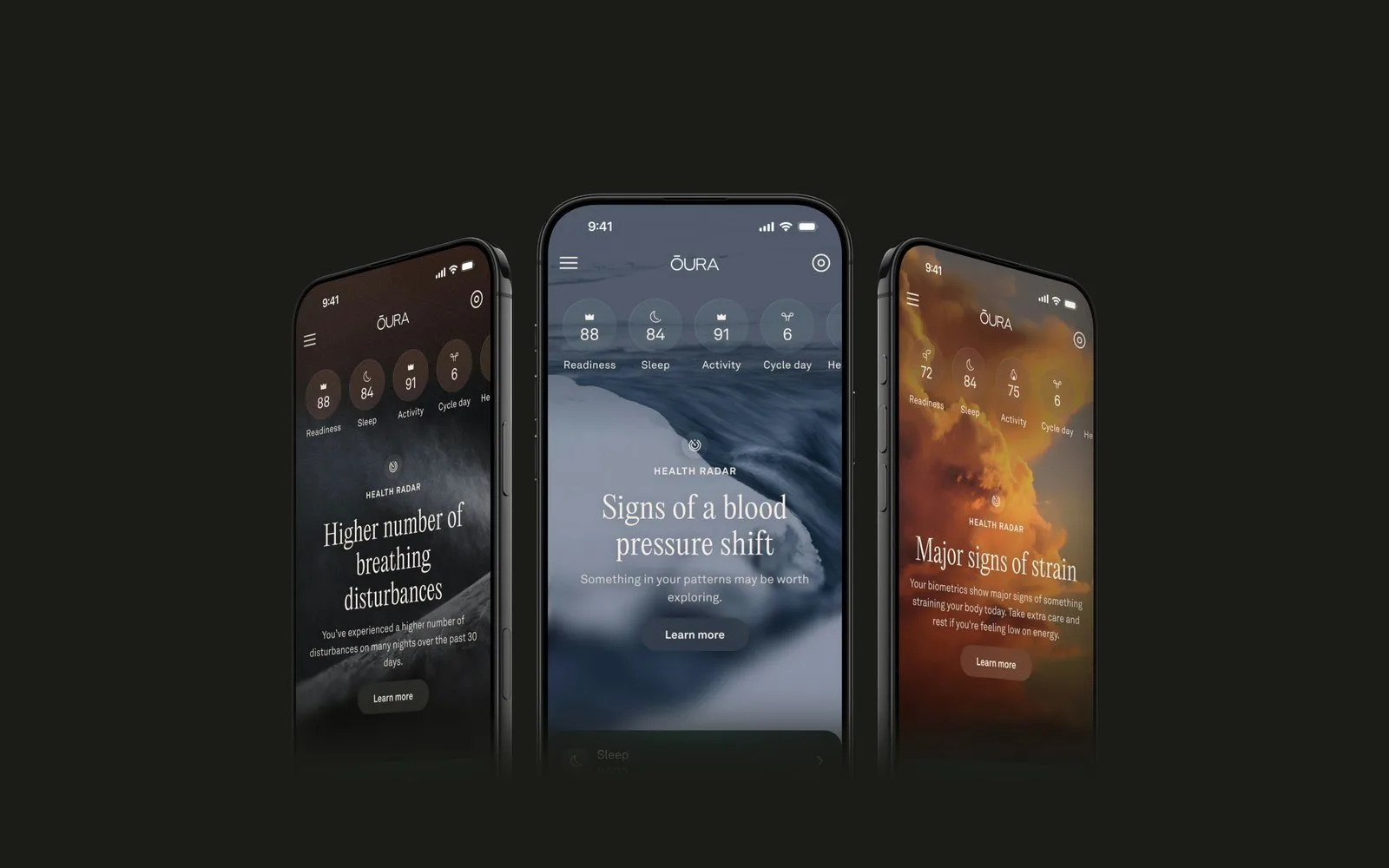
Against Oura: consumer suits, discussed as a risk around its IPO filing, challenge how it markets sleep-stage accuracy. Oura filed confidentially for a US IPO in May 2026 and says it is on track to pass five million paid members.
The timing on Oura is sharp. A public offering built on health-data trust invites exactly the scrutiny that legal claims bring. The market will notice.
The Brand Promise Was Always the Liability
Everyone in the health wearables category made a version of the same bet: that users would trade their most intimate data for insight. Your sleep quality. Your heart rate variability. Your stress response. Your recovery score. The entire product proposition is built on data intimacy.
That bet worked commercially. Whoop closed a $575 million Series G at a $10.1 billion valuation in March 2026. Oura says it is on track to pass five million paid members and has filed for a public offering. The category is real, large, and growing.
But the same data intimacy that drove growth is now the exposure. If users gave you that data because they trusted you with it, routing it through Meta and Google SDKs without consent is not a technical oversight. It is a breach of the brand contract.
This is the gap between what a brand promises and what it does. Wearables staked their reputation on health data trust, and that promise is now being tested in public.
The Category Has a Decision to Make
There is a version of this story where both companies settle, pay out, adjust their data practices, and move on. Lawyers handle it. The brand team moves to the next product cycle.
That version misunderstands what is at stake.
The wearables category is heading into a period of maximum commercial ambition. IPOs, product expansions, robotics integrations, health AI features. All of it depends on users continuing to believe the core promise: that their health data is being used for them, not against them or sold around them.
A category that grows by selling health data intimacy cannot survive a consensus that the intimacy was never real. The legal outcome matters less than the trust outcome.
The brands that navigate this well will be explicit about their data architecture. They will make the consent process a product feature, not a buried legal notice. They will position data transparency as a brand differentiator rather than a compliance obligation.
The brands that do not will find that everyone who bought a fitness tracker bought something else along with it. And they are now finding out what that was.
What Trusted Actually Means
Whoop’s brand proposition is “the performance coach that knows your body.” Oura’s is “your body’s most trusted health advisor.” Both propositions depend on the word trusted meaning something.
Legal claims over health data handling do not destroy a brand overnight. But they alter the competitive landscape in a specific way: they give every competitor who handles data better a permanent talking point, and they give every new customer a reason to ask the question before they buy.
The wearables category built itself on trust. It now has to earn it back in public.
That is a harder brand job than the one they started with.
Keep reading